Stop Flying Blind: Why Your Influencer Campaigns Need Real Data
I've watched too many brands throw money at influencer campaigns like they're feeding quarters into a slot machine, hoping something magical will...
2 min read
Faith Cedela
:
Mar 4, 2026 8:59:59 AM
Remember when influencer marketing meant sending a free product and hoping for the best? Those days are gone. The smartest brands are now flipping the script entirely. They're building real-world experiences specifically designed to give creators something worth documenting.
This isn't about throwing a flashy event and inviting some TikTokers as an afterthought. It's about what they call "IRL integrations" — campaigns where the physical space becomes part of your media strategy from day one.
Think of it like this: instead of hoping your brand accidentally becomes photogenic, you're architecting moments that are impossible not to share.
When Mozilla wanted to promote Firefox's "Open What You Want" positioning, they could have gone the traditional route — display ads, sponsored posts, maybe a podcast sponsorship. Instead, they partnered with Whalar to create "House Blends," a series of daytime coffee rave events across Chicago, Berlin, Munich, and Los Angeles.
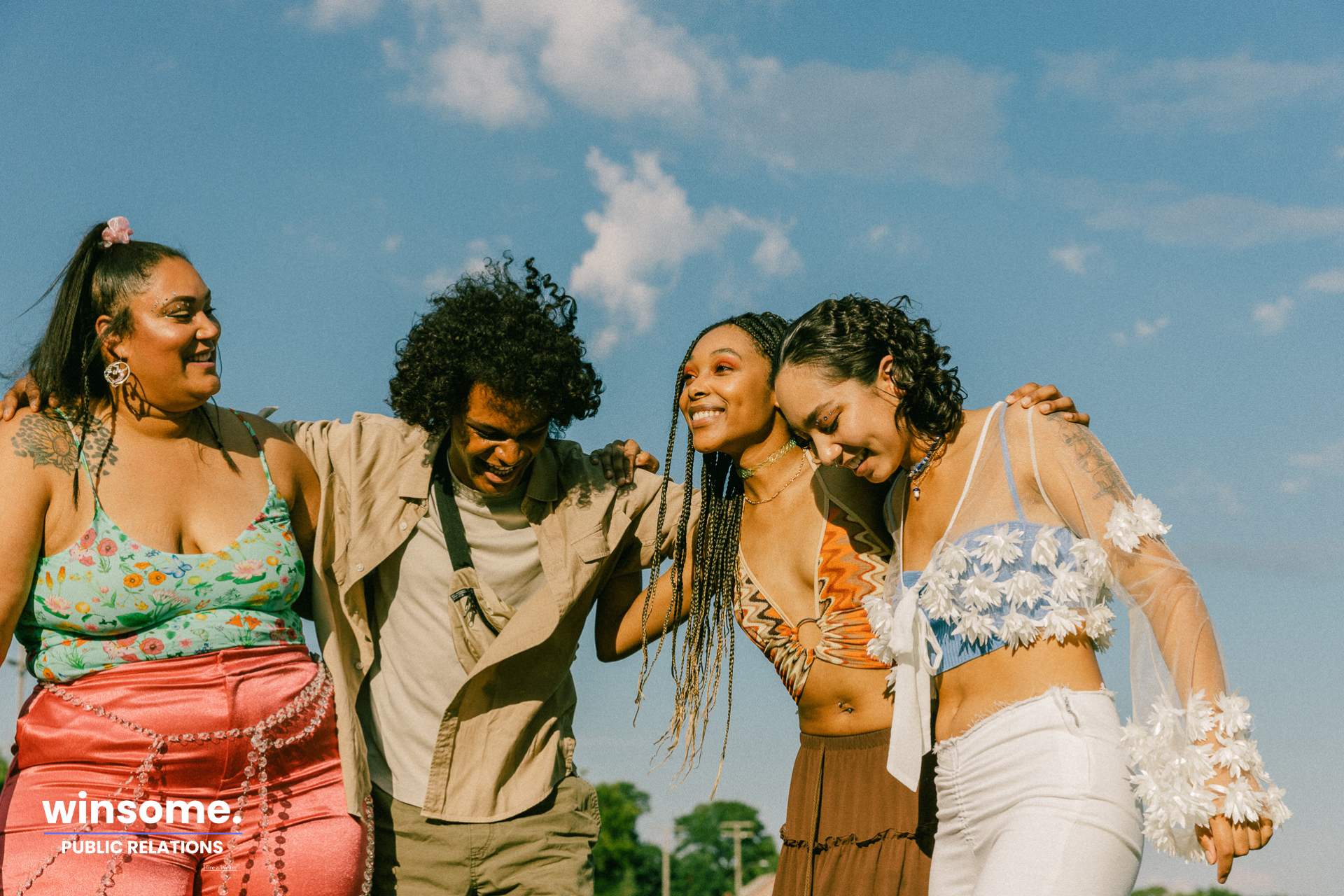
Here's what made it brilliant: they took an emerging café DJ culture and embedded their brand messaging directly into the experience. Creators weren't there to give testimonials about browser features. They were documenting genuinely cool events that happened to reinforce Firefox's openness narrative.
The venues were designed for vertical video. The lighting worked for TikTok. The crowd dynamics naturally created shareable moments. It was like building a movie set, except the "actors" were real people having real fun.
Coca-Cola has been doing this at Coachella for years, but not the way you might think. They don't just slap logos on everything and call it marketing. They build actual infrastructure — lounges with charging stations, shade, and Instagram-worthy installations that serve a real purpose during 100-degree desert days.
Creators use these spaces organically — for outfit changes, meetups, and those "quick refresh before the next set" moments that feel authentic because they are. The brand integration happens spatially, woven into the fabric of the festival experience rather than interrupting it.
With over 100,000 attendees per weekend and millions more following along online, that's a lot of eyeballs on content that doesn't feel like advertising.
This approach requires you to think like an experience designer, not just a publicist. You're not buying placement in someone else's content. You're creating the reason for the content to exist in the first place.
The key insight? Physical design, creator participation, and amplification strategy need to be planned together, not sequentially. You can't build a beautiful space and then figure out the social component later.
Start small. Maybe it's a pop-up that's designed for documentation, or a workshop series where the learning process itself becomes the content. The goal isn't viral moments. It's creating repeatable formats that consistently generate authentic, on-brand social visibility.
Ready to build experiences that creators actually want to share? Let's talk about how Winsome Marketing can help you design campaigns that work in both physical and digital spaces.
This post was originally inspired by 5 Global IRL Integration Campaigns That Turned Real-World Experiences Into Cultural Momentum via influencermarketinghub. We encourage you to read the original piece for full context.
I've watched too many brands throw money at influencer campaigns like they're feeding quarters into a slot machine, hoping something magical will...
Most healthcare brands trying to go viral follow the same playbook: hire influencers, throw money at amplification, and hope compliance doesn't kill...
I'll be honest, until recently, I thought Roblox was just digital Lego for kids. Turns out I was wrong, and probably missing one of the smartest...