2 min read

Influencer Reach Got Them There. Now What?

Influencer Reach Got Them There. Now What?
4:47

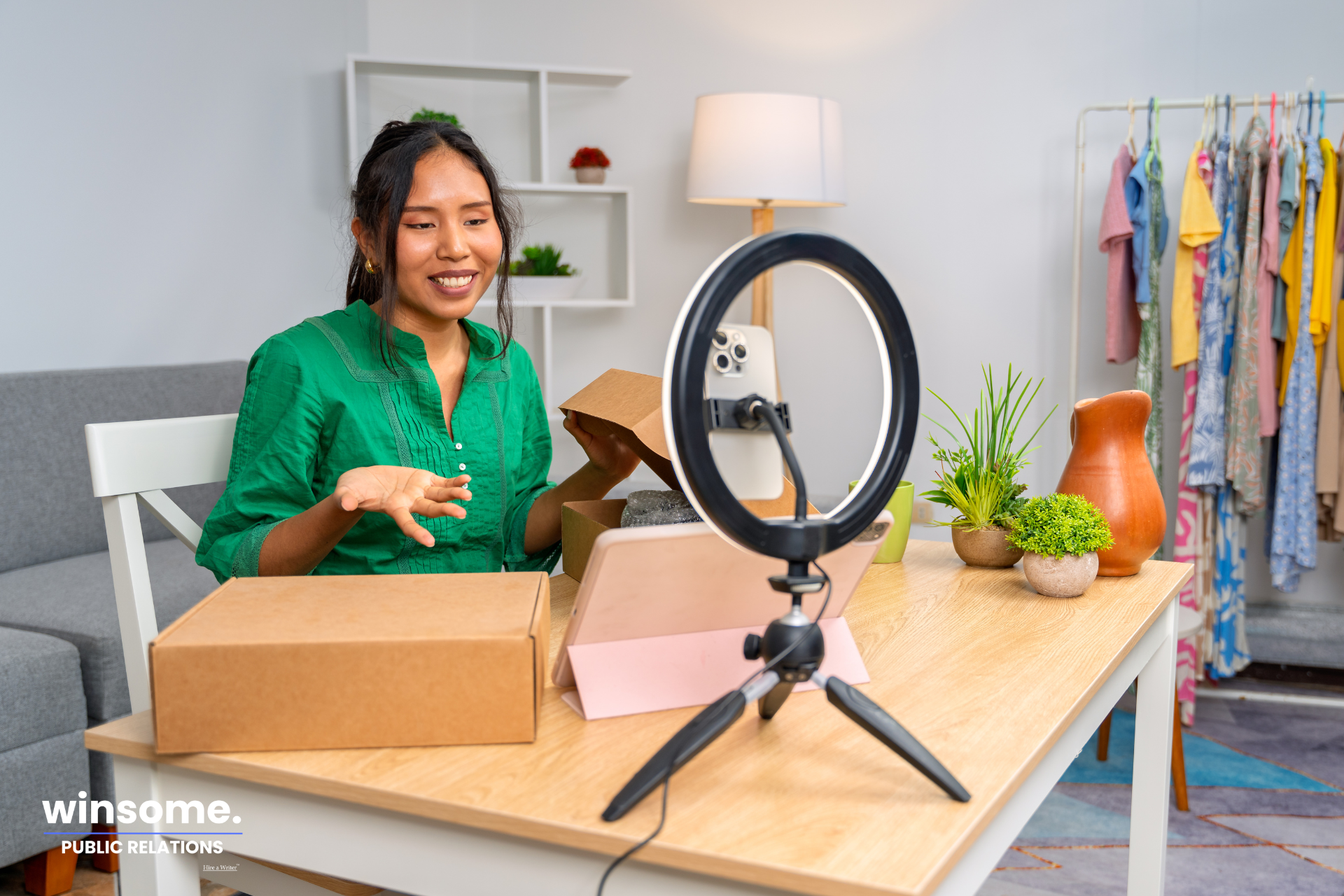
Your influencer campaign hit two million views. Thousands of clicks. A solid engagement rate you could put in a deck and look good. And then... the revenue numbers came back underwhelming. Sound familiar?

Here's what's happening: attention and confidence are not the same thing, and we keep treating them like they are.

According to Influencer Marketing Hub, citing Salsify consumer research, 39% of shoppers had bought a product online because of an influencer recommendation — but 71% had returned an item because of incorrect or insufficient product content. Read that again. The creator got them to buy. The product content — or lack of it — got them to send it back.

That's not a creator problem. That's a content strategy problem.

CREATORS DO THE HARD PART BRANDS STRUGGLE WITH MOST

Let's be fair to influencers here. They do something genuinely difficult: they make a product feel relevant to a specific audience in a voice that audience already trusts. That's incredibly valuable. That's not easy to manufacture through a brand channel.

What a fifteen-second mention cannot do is explain a product that needs explaining.

And more products need explaining than brands want to admit. Modular sofas. Adjustable bed mechanisms. Storage furniture whose whole value proposition lives inside what happens when it opens. Smart home devices where compatibility is the entire purchase question. For categories like these, the creator builds desire. A separate content layer has to build understanding.

Think about the questions a shopper is actually holding when they tap through from a creator's post:

  • How does it actually open?
  • What does assembly involve, honestly?
  • What's the real difference between the two variants?
  • How big is it next to a normal human being and a normal-sized couch?

A creator mention rarely answers these. A wall of product page copy answers them slowly. A short, focused product video answers them in seconds.

THE NUMBERS ON CONFIDENCE ARE HARD TO IGNORE

Influencer Marketing Hub found that shoppers who discover information relevant to their needs are 3.2 times more confident in their purchasing decisions. That confidence also leads to stronger loyalty, making them six times more likely to buy again and 18 times more likely to recommend the brand.

Also worth noting: 96% of people have watched an explainer video to learn more about a product or service, and 63% say they'd most like to learn about a product through a short video.

The mechanism here is pretty intuitive. The shopper who watches a quick, clear demonstration after discovering a product through creator content arrives at checkout with fewer doubts. Fewer doubts mean fewer abandoned carts, fewer returns, and higher post-purchase satisfaction. That's not a content win — that's a business win.

WHAT THIS MEANS FOR YOUR PR STRATEGY

PR teams are increasingly involved in influencer strategy, brand narrative, and content ecosystems — which means this is squarely your problem too.

If you're pitching a product that has any real complexity — technical specs, configuration options, size considerations, installation requirements — your campaign plan needs a content layer that lives after the creator touch. Not instead of it. After it.

A few things worth building into your thinking:

  • Stop treating product video as a conversion-stage afterthought. It has value across the full journey — awareness, consideration, and decision.
  • Focus each video on one question or objection. Not every feature. Not every use case. One clear answer. That content is also much easier to repurpose across channels and match to different audience segments.
  • Map the post-click experience. Where does someone land after they tap through from a creator's Story or Reel? What do they find there? Is it enough to close the gap between interest and confidence?

The goal isn't to replace creator content. It's to make sure that when curiosity turns into purchase consideration, the information is actually there to carry it across the finish line.

Reach gets eyes on the product. Confidence gets the product in the cart — and keeps it out of the return pile.

If you're rethinking how your content strategy supports the full buyer journey, Winsome Marketing works with brands to build PR and content approaches that do more than generate attention — they generate trust. Let's talk about what that looks like for you.

This post was originally inspired by Why Buyer Confidence Matters More Than Reach via influencermarketinghub. We encourage you to read the original piece for full context.

Stop Waiting for TikTok Inspiration to Strike—Here's Where to Find It

Stop Waiting for TikTok Inspiration to Strike—Here's Where to Find It

Creative blocks are like hangovers—inevitable, annoying, and they always hit at the worst possible time. You're staring at your phone, knowing you...

Read More
Trust Isn't The Goal, It's The Receipt

Trust Isn't The Goal, It's The Receipt

Okay, real talk. "Trust is the new currency." I have heard that phrase so many times that my eyes now roll on instinct, like a reflex test at the...

Read More
Stop Flying Blind: Why Your Influencer Campaigns Need Real Data

Stop Flying Blind: Why Your Influencer Campaigns Need Real Data

I've watched too many brands throw money at influencer campaigns like they're feeding quarters into a slot machine, hoping something magical will...

Read More