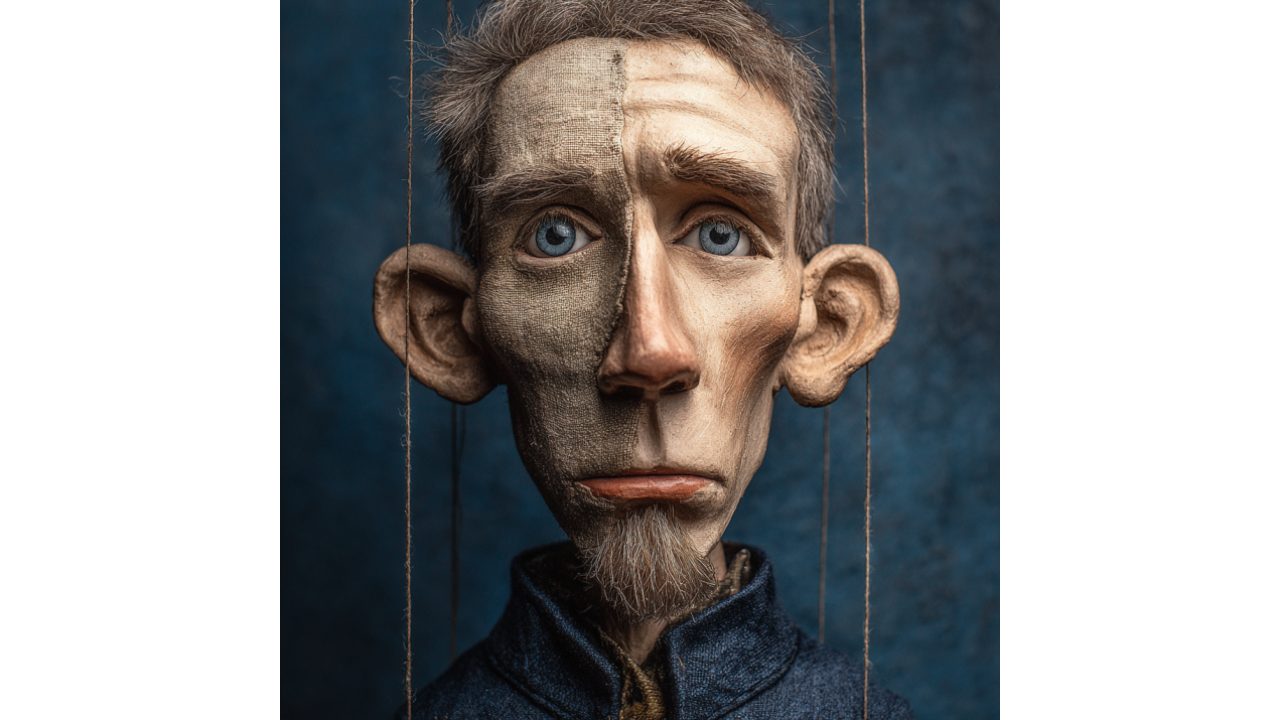
Mixup's Mad Libs Approach to AI Images
The team behind 3D design app Rooms just launched Mixup, an iOS app that turns AI image generation into party games.
Search used to be a doorway you walked through and left. Google just tried to turn one of its oldest products into a room you stay in.
Key Points
Google is rolling out a redesign of Google Images that replaces its search-first layout with a scrollable, personalized gallery, plus a collections feature for saving and organizing images, as TechCrunch's Aisha Malik reported. The company is simultaneously bringing AI image generation into AI Overviews on Search, using its Nano Banana model to turn text prompts into custom visuals when an exact match doesn't exist online.
Both moves are wrapped around the same anniversary story: Google Images turns 25 this year, and the company is using that occasion to reposition the product entirely.
Pinterest built an entire business model on the insight that people don't just search for images, they browse them, save them, and return to them. Google watching that behavior for a decade and then rebuilding its own image product around it is not subtle. A browsable gallery means longer sessions, more signed-in engagement, and more first-party signal for Google's ad systems, all inside its own ecosystem.
The collections feature is the clearest tell. Naming and returning to a board full of "vacation outfit ideas" or "reading nook inspiration" is behavioral data Google has never had at this scale from Images alone. That's not a design update. That's a data acquisition strategy wearing a design update as a costume.
The AI generation piece closes a different loop. When a user can't find the exact photo of "a coastal-themed dorm room," Google would rather have them generate it inside AI Overviews than open a new tab to a competitor. That's a retention play as much as a product feature, and it's consistent with how Google has approached AI Mode and AI Overviews more broadly: keep the query, the click, and the eyeballs inside the house.
None of this is subtle, and none of it is optional to ignore if visual search or inspiration-driven categories touch your funnel.
This is the same pattern showing up across every major platform right now: search engines becoming content platforms, content platforms becoming shopping platforms, and AI generation getting bolted onto all three so users never have a reason to leave. Google didn't invent the discovery feed. It's simply large enough to absorb the one that worked and put its own ad stack behind it.
For marketers, the practical question isn't whether Google Images matters. It's whether your visual assets are built for a gallery that rewards scroll-stopping quality over keyword-matched thumbnails. Brands that treated image alt text as a checkbox are going to feel this first.
If your team needs a hand rethinking how visual content performs across this kind of shift, that's precisely the gap our AI marketing services are built to close.
The team behind 3D design app Rooms just launched Mixup, an iOS app that turns AI image generation into party games.

Google wants you to believe image generation just grew up.
Microsoft's MAI Superintelligence Team released MAI-Image-2-Efficient on April 14th, and the pitch is blunt: same quality as their flagship image...