4 min read

Why Bad Audio Can Sabotage Your Entire Video (And How to Fix It)

Why Bad Audio Can Sabotage Your Entire Video (And How to Fix It)
6:49

Look, I get it. You've spent an embarrassing amount of time adjusting your ring light, finding the perfect angle that makes you look like a functioning adult and arranging your bookshelf so it screams "I'm interesting and well-read." We've all been there. But here's the thing that nobody wants to talk about: none of that matters if you sound like you're broadcasting from inside a tin can.

Seriously. You could have the most cinematic lighting setup known to humankind, but if your audio is giving "robot trapped in a wind tunnel," people are going to tune out faster than I abandon my New Year's resolution to wake up early.

THE SCIENCE BEHIND WHY YOU SOUND TERRIBLE

And before you think I'm being dramatic, there's actual research backing this up. A study found that audio quality directly affects how people perceive speakers. We're talking credibility, intelligence and even employability. The researchers weren't analyzing what people said or who was talking. They focused specifically on how technical audio issues like tinny or hollow sound changed listener impressions.

The results? People with poor audio quality were perceived as less credible and less intelligent. Which feels incredibly unfair, honestly. You could be sharing the most brilliant insight of your career, but if it sounds like you're speaking through a paper towel tube, everyone's brain is just going "wow, that echo is really something."

For anyone in communications or content creation, this should be your wake-up call. Whether you're filming a quick social media video or joining a meeting where actual decisions get made, your audio quality may shape how others perceive you more than your actual words.

GET YOUR PRODUCED VIDEOS TO SOUND PROFESSIONAL

So let's talk about what you can do about this, starting with produced video content.

First up: backup plans are your best friend. If possible, use multiple microphones when you're recording. A combination of lavalier mics (those tiny clip-on ones) and shotgun microphones gives you options when you're editing later. And trust me, having options in post-production is the kind of safety net that may save your project.

Placement matters more than you'd think too. You want your mic close enough to capture clear sound without those harsh popping sounds when you say words with P's and B's. But not so close that you're picking up every echo bouncing around your space. It's a balancing act, like trying to look casual in a photo while also sucking in your stomach.

Now, if you're filming outside, wind is basically your nemesis. Even with windscreens, anything beyond a light breeze may destroy your audio. Lavalier mics tend to handle outdoor conditions better since they're tucked against clothing, so keep that in mind when you're planning an outdoor shoot.

For B-roll footage where you might not even use the natural sound, your camera's built-in mic is probably fine. But if you actually need usable audio from those shots, an external shotgun mic is worth the investment.

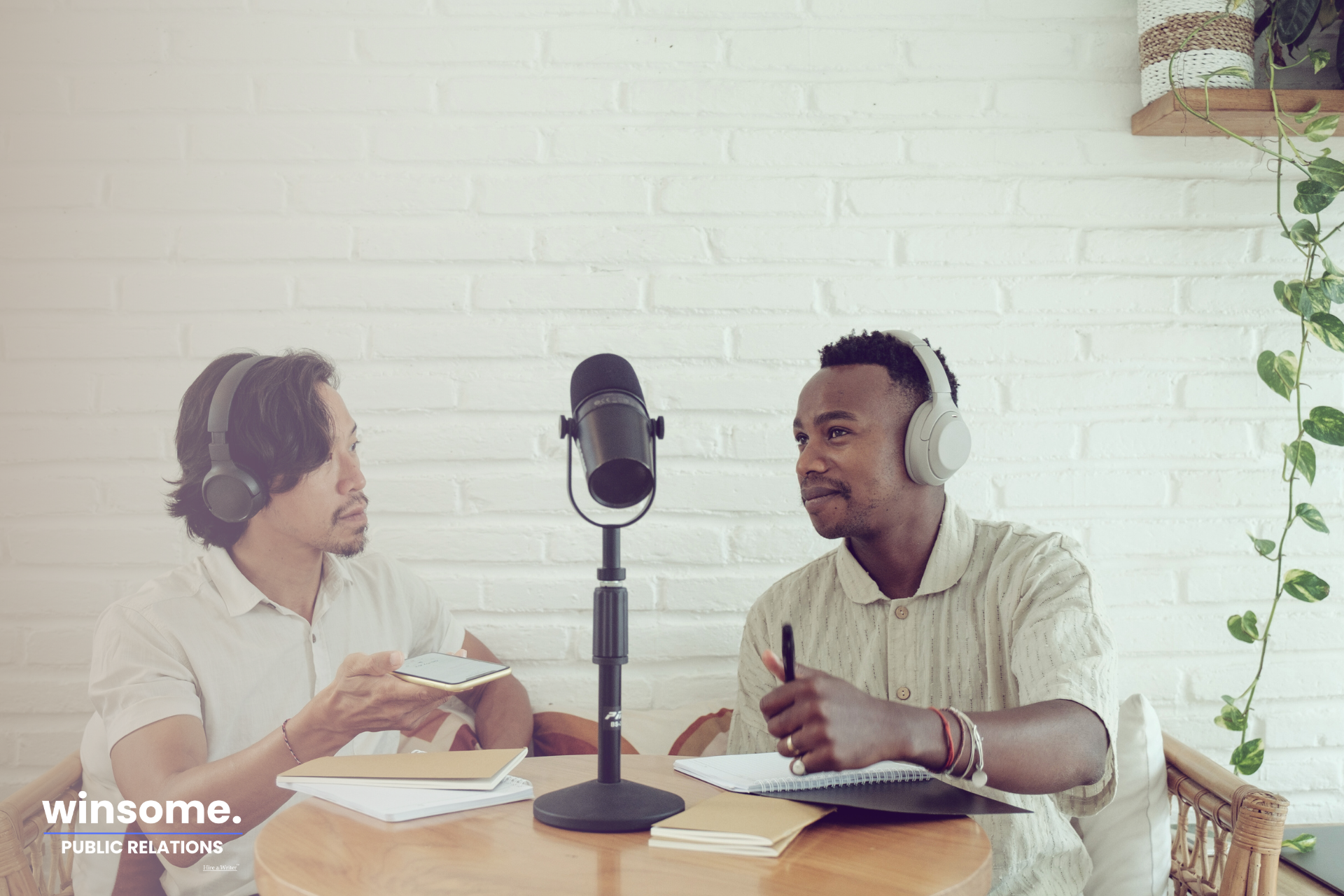
And here's a tip that sounds obvious but apparently isn't: if you don't have a dedicated sound person on your shoot, wear headphones plugged into your camera or recorder. You may catch problems in real time instead of discovering them later when it's too late to do anything about it.

New call-to-action

MAKE VIRTUAL MEETINGS SOUND LESS TERRIBLE

Okay, let's be honest. Most of us aren't producing polished video content on the regular. We're hopping on Zoom calls and Teams meetings and trying not to look like we just rolled out of bed (even when we absolutely did).

The single most important thing you can do for virtual communication is test your setup before it counts. Ask a friend or colleague to jump on a quick call just to listen to your audio. Or record a short sample and send it to yourself. It feels a little silly, but hearing what others experience on their end may be eye-opening.

If you're still relying on your computer's built-in microphone, it might be time for an upgrade. Investing in your communication tools doesn't have to mean spending a fortune. Even an inexpensive USB microphone under $25 may dramatically improve how you sound. Many mini desktop mics also come with simple on/off buttons, which are way easier to manage than hunting through Zoom's audio settings mid-call.

Here's something that happens more often than you'd expect: people assume they're using their fancy external microphone when their computer has actually defaulted back to the built-in laptop mic. Testing ahead of time confirms you're actually using the equipment you think you're using.

The distance from your microphone matters significantly. Get too close and every P becomes an explosion. Sit too far back and you'll sound distant and echoey. The sweet spot is somewhere in between where your voice sounds clear and natural.

WHY THIS MATTERS FOR YOUR MESSAGE

The whole point of communicating is getting your message across, right? Whether you're presenting to your team, recording content for social media or interviewing with a journalist, you want people to actually hear and understand what you're saying.

Poor audio creates a barrier. It makes people work harder to follow along, which means they're more likely to check out mentally or miss key points entirely. And according to that PNAS study, it may also make them trust you less without even realizing why.

Meanwhile, clear audio does the opposite. It removes friction, keeps people engaged and helps you come across as the competent professional you actually are.

THE BOTTOM LINE ON SOUNDING LIKE A REAL HUMAN

Getting your audio right might seem intimidating if you've never thought much about it before. But honestly, it doesn't have to be complicated. A few smart equipment choices and some time spent testing your setup may make a huge difference in how you come across.

Whether you're recording polished content or just trying to survive another video call without technical difficulties, prioritizing your sound quality helps ensure your message lands the way you intend. And that people remember you for what you said rather than that weird echo that made it sound like you were calling from a bathroom.

Which, let's be honest, some of us definitely have done. No judgment. But maybe let's aim higher.

If figuring out your audio setup feels like one more thing on an already overwhelming list, you're not alone. The team at Winsome Marketing helps businesses create content that connects with their audience. From video production to full-scale marketing strategies, we've got your back. Get in touch today and let's make sure your message comes through loud and clear.

How to Stand Out in PR by Finding Your Niche

How to Stand Out in PR by Finding Your Niche

Look, if you're in the world of PR, you know the drill. There’s this insane pressure to be everything to everyone. It’s like trying to be the Swiss...

Read More
Invisible to AI? 4 Tools to Make Your Brand Stop Disappearing in Search Results

Invisible to AI? 4 Tools to Make Your Brand Stop Disappearing in Search Results

Listen, if you're in PR and you haven't noticed those AI Overviews (AIOs) stealing prime real estate on search pages, you might want to check if...

Read More
Podcast PR Strategies: Why Podcasts Deserve a Seat at the PR Table

Podcast PR Strategies: Why Podcasts Deserve a Seat at the PR Table

Alright, let’s talk about podcasts. You know, those things everyone suddenly can’t stop talking about? Turns out, they’re a PR goldmine. Traditional...

Read More