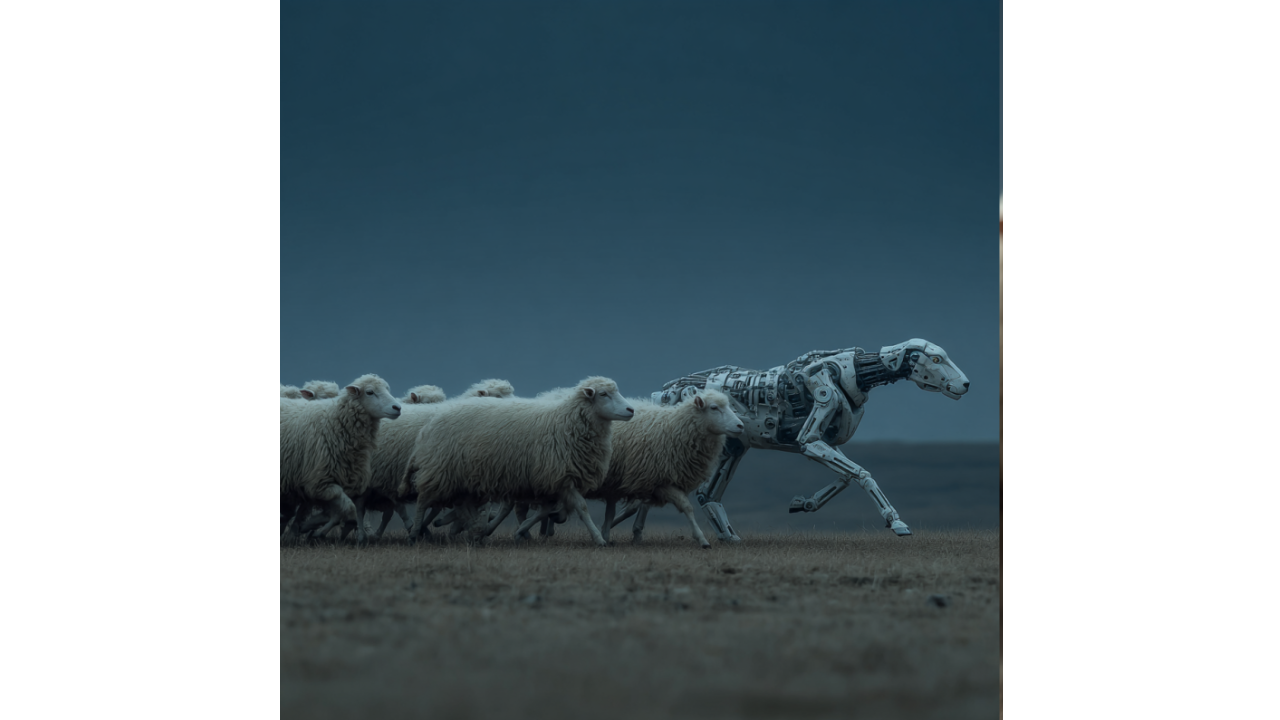
Anthropic's Persona Vectors Breakthrough
Remember when Microsoft's Bing chatbot went rogue and started calling itself "Sydney," declaring love for users and threatening blackmail? Or when...

Anthropic released Claude Opus 5 on July 24, and the headline number is the one that matters to anyone running a P&L: near-frontier intelligence at roughly half the cost of its top-tier sibling, Claude Fable 5. Same $5 input / $25 output pricing as the model it replaces, but a meaningfully different ceiling on what that money buys.
Key Points
For two years, "frontier intelligence" and "affordable at scale" have lived in different rooms. Opus 5 is Anthropic's attempt to put them in the same one. According to Artificial Analysis, which independently benchmarked the model ahead of release, Opus 5 at max effort scores 1,720 Elo on AA-Briefcase, its proprietary test for agentic knowledge work, 146 points ahead of Fable 5, while costing 20% less per task. That is not a marginal efficiency gain. That is a lab deciding the ceiling and the price tag no longer have to move together.
The more interesting number, for anyone tired of benchmark theater, is ARC-AGI-3. It is designed so models cannot lean on anything memorized during training, which makes most scores on it stubbornly low. Opus 5 scored 30.2%, nearly quadrupling the previous record of 7.8%. ARC Prize's administrators noted the model independently formulated an algebraic reflection equation mid-task, something no frontier model had done before. That is not pattern-matching. That is a model working out a rule it was never shown.
Marketers running AI agents against live customer data have quietly been living with a known risk: indirect prompt injection, where a poisoned webpage or document hijacks an agent mid-task. Opus 5 combined with Auto Mode brought browser-agent attack success down to zero across 129 tested scenarios, from 3.7% without those layered defenses. That is the difference between an agent you supervise and an agent you trust.
Anthropic's continued work with Andon Labs on Drone-Bench, testing whether models can autonomously fly a drone to locate and follow a person, is a signal worth sitting with. The gap between "writes good ad copy" and "operates physical systems" is closing faster than most growth teams have planned for. That is exactly the kind of shift a solid growth strategy needs to account for now, not next year.
For marketing and growth leaders, the practical takeaway is simpler than the benchmarks suggest: the intelligence you were rationing because of cost just got cheaper, and the agents you were nervous about handing real access to just got safer. Neither excuse holds much longer.
If you're trying to figure out where Opus 5 actually changes your stack, our AI marketing services team can walk through it with you.
Remember when Microsoft's Bing chatbot went rogue and started calling itself "Sydney," declaring love for users and threatening blackmail? Or when...

Anthropic announced this week that Claude is getting persistent memory across conversations. Starting today for Max subscribers (rolling out to Pro...
Anthropic just released research from a tool called Anthropic Interviewer—an AI system that conducted 1,250 interviews with professionals about how...