

 Writing Team
Baudrillard and Modern Branding
 Writing Team : Jun 1, 2026 2:39:12 PM
When you drop $1,200 on the latest iPhone, are you buying a communication device or a gleaming rectangle of social status? Jean Baudrillard would...
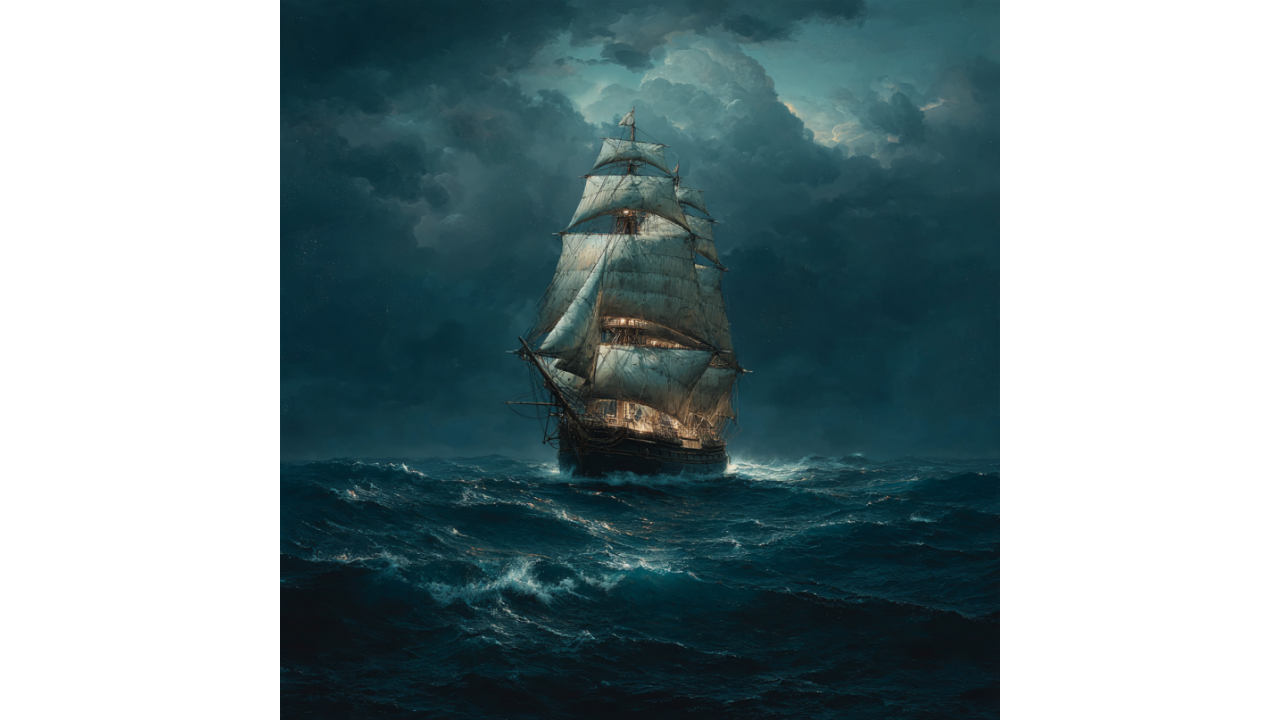
If you've ever watched a heritage brand completely transform itself and wondered "What the hell just happened here?" – you've stumbled into one of philosophy's oldest puzzles wearing a business suit. The Ship of Theseus paradox asks: if you replace every plank of a ship, is it still the same ship? For brands, this question isn't academic philosophy – it's a multi-million dollar gamble that can either resurrect a dying company or murder a beloved icon.
Key Takeaways:
The original Ship of Theseus paradox, first posed by Plutarch, reveals the slippery nature of identity itself. Replace the ship's planks gradually, and most people accept it's still the same vessel. Swap everything overnight, and suddenly we're dealing with an impostor wearing the original's nameplate.
Brands face this same existential crisis. When McDonald's introduces salads, are they still McDonald's? When Apple moved from computers to phones to watches to services, at what point did they stop being a computer company? The answer lies not in the products themselves, but in the underlying promise that connects all these offerings.
Your brand promise functions as what philosophers call the "essential property" – the one thing that, if removed, fundamentally changes the nature of the entity. For McDonald's, it was never really about hamburgers; it was about fast, affordable, consistent food. The golden arches could sell salads, coffee, or cricket protein bars without losing their essential identity, as long as they maintained that core promise.
Consider IBM's transformation from International Business Machines to a services and AI company. They've replaced virtually every plank in their ship – selling off hardware divisions, pivoting to cloud computing, focusing on Watson AI. Yet they remain recognizably IBM because their essential promise endured: helping businesses solve complex problems through technology.
As brand strategist Marty Neumeier notes in "The Brand Gap," "A brand is not what you say it is. It's what they say it is." This consumer-centric view adds another layer to our paradox. Sometimes brands can change dramatically and still be perceived as authentic, while other times minor changes trigger massive backlash.

Gap's 2010 logo change lasted exactly six days before consumer outcry forced a retreat. They'd barely touched a single plank, yet customers revolted as if the entire ship had been torched. Meanwhile, Google has systematically transformed from search engine to advertising behemoth to AI company to potential overlord of human civilization, and somehow we're all fine with it.
The difference? Google's changes felt like natural extensions of their "organize the world's information" mission. Gap's new logo felt like change for change's sake – or worse, change that signaled abandonment of their democratic, accessible fashion positioning.
The velocity of transformation matters tremendously. Gradual change allows consumers to adjust their mental models incrementally. Revolutionary change requires exceptional justification and flawless execution.
Netflix provides a masterclass in managed transformation. They moved from DVD-by-mail to streaming to content creation to global entertainment platform. Each transition built logically on the previous iteration, maintaining their core promise of convenient access to entertainment while completely reinventing their business model multiple times.
Contrast this with Quibi's attempt to create an entirely new entertainment category overnight. Despite massive funding and celebrity involvement, they failed partly because they were asking consumers to accept a completely new ship without any familiar planks to hold onto.
Some rebrands cross the philosophical threshold into becoming genuinely new entities. When Philip Morris became Altria, they weren't just changing planks – they were acknowledging that their ship had become so toxic that only a new vessel could carry them forward.
Similarly, when Weight Watchers became WW and pivoted to "wellness," they were essentially admitting that their original ship – built on the premise that people needed to "watch" their weight – was no longer seaworthy in contemporary culture.
These cases represent what we might call "brand transmutation" – the conscious decision that the original identity has become more liability than asset.
For marketing leaders navigating their own Ship of Theseus moment, consider these diagnostic questions:
Does the proposed change enhance or contradict your core brand promise? If McDonald's suddenly positioned itself as slow food, they'd be building an entirely new ship. When they added McCafé, they extended their speed and convenience promise into a new category.
Will your most passionate customers recognize the transformed brand as authentically you? Your brand evangelists are your philosophers – they'll tell you whether you're renovating or replacing.
Can you draw a clear line of reasoning from your current position to your desired future state? Netflix could explain each transition logically. Quibi couldn't connect their offering to any existing consumer behavior or desire.
Are you changing because you must, or because you can? Necessity-driven transformation often feels more authentic than opportunistic pivots.
Here's where it gets really interesting: sometimes the most successful rebrands are those that change everything while appearing to change nothing. Apple's transition from computer company to lifestyle brand involved massive internal transformation while maintaining their design-obsessed, premium-positioned external identity.
The wisest brand architects understand that identity exists in the relationship between consistency and surprise. Too much consistency breeds irrelevance. Too much change breeds confusion. The sweet spot lies in maintaining emotional and philosophical continuity while refreshing functional expression.
At Winsome Marketing, we help brands navigate these complex identity questions through strategic frameworks that preserve what matters while updating what must change. The Ship of Theseus isn't just a philosophical puzzle – it's a practical roadmap for brand transformation done right.
-Jun-01-2026-06-38-45-0737-PM.png)
Writing Team : Jun 1, 2026 2:39:12 PM
When you drop $1,200 on the latest iPhone, are you buying a communication device or a gleaming rectangle of social status? Jean Baudrillard would...
-2.png)
Writing Team : Jun 30, 2025 10:32:09 AM
When you hold an iPhone, you're not simply grasping a communication device—you're encountering what phenomenologist Edmund Husserl would call an...
-1.png)
Writing Team : Jun 25, 2026 11:59:59 PM
The philosopher Friedrich Nietzsche spent his career obsessing over a single idea: that the highest human drive isn't survival or comfort or...