Meme Marketing in Women's Health
"When your period cramps feel like your uterus is being used as a UFC fighting ring" gets 50,000 likes. Women relate, share, tag friends. It's funny...

7 min read
Women's Health Writing Team
:
Jan 5, 2026 8:00:02 AM
The typical senior women's health ad features a silver-haired woman in linen, laughing with friends over tea, finally free to "embrace this beautiful chapter." She's gardening gently. She's doing tai chi in a park. She's discovered yoga and is now at peace with aging. Meanwhile, the actual 68-year-old woman viewing this ad is managing her mother's dementia care, strategizing her retirement portfolio, training for a half-marathon, and researching whether her new heart palpitations require medical attention or just better electrolyte balance.
Senior women represent the fastest-growing consumer demographic with substantial purchasing power and complex health needs, yet most marketing treats them like they've collectively decided to slow down and find inner peace. Women over 65 control significant household healthcare decisions and spend more on health products than any other demographic, but brands consistently underestimate their health literacy, activity levels, and desire for solutions that support continuation rather than limitation. The opportunity isn't convincing senior women to care about their health—they already do intensely—it's speaking to them like the capable, informed consumers they are.
Post-menopausal women face three interconnected major health concerns that rarely receive integrated marketing attention: bone density loss increasing fracture risk, cardiovascular disease becoming the leading cause of death, and cognitive decline affecting quality of life and independence. Most brands market to one concern in isolation, missing how women actually think about these issues.
A 70-year-old woman concerned about osteoporosis isn't just worried about breaking her hip—she's worried about losing independence, becoming a burden on her children, and losing the physical capacity to do things she values. Her bone health concerns connect directly to her desire to keep hiking, traveling, playing with grandchildren, and maintaining autonomous living. Marketing that addresses osteoporosis purely as bone density numbers misses the emotional driver: maintaining the life she's built.
Similarly, cardiovascular health marketing that focuses on disease prevention through restrictions—limit salt, avoid fat, reduce stress—frames aging as subtraction. Women respond better to addition narratives: supporting heart health that lets you keep traveling, maintaining cardiovascular capacity for the activities you love, optimizing heart function so you have energy for what matters. The health outcome is identical, but the framing shifts from limitation to enablement.
Implementation: Create content that addresses multiple health concerns simultaneously. "Supporting bone health, heart function, and cognitive performance" acknowledges the interconnected nature of aging health concerns. Develop educational resources explaining how calcium supplementation affects both bone and cardiovascular health, or how B-vitamins support both cognitive function and energy levels. Position your products within comprehensive health maintenance strategies rather than single-issue solutions. Women managing multiple health concerns appreciate brands that understand the complexity rather than oversimplifying to sell a single product benefit.
Senior women's health marketing falls into predictable linguistic traps: diminutive language ("ladies"), excessive enthusiasm ("you go, girl!"), emphasis on defying age rather than living it well, and constant references to "this stage of life" as if turning 65 creates a separate species. This language signals that brands don't actually respect their intelligence or autonomy.
Problematic patterns: "At your age," "As we get older," "In your golden years," "Seniors need," "Age-appropriate activities," "Finally time for you"
These phrases consistently position aging as limitation, difference, or reward for earlier sacrifice. They infantilize or condescend. They suggest that senior women constitute a special population requiring special accommodation rather than individuals with accumulated experience and specific health considerations.
Effective language treats senior women as the informed, capable consumers they are. Instead of "managing the challenges of aging," try "maintaining the health that supports your goals." Instead of "age-appropriate exercise," try "exercise that works for your current fitness level and any joint considerations." Instead of "finally taking time for yourself," try "continuing to prioritize what matters to you."
The shift is subtle but powerful: you're removing age as the defining characteristic and replacing it with individual circumstance, goals, and preferences. A 72-year-old marathon runner and a 72-year-old with limited mobility both deserve marketing that acknowledges their specific situation without making assumptions based on birth year.
Implementation: Audit your marketing copy for age-related language. Replace age references with specific health condition or fitness level references when relevant. Stop using "senior" as a modifier unless legally required (Medicare, senior discounts). Women's health marketing succeeds when it addresses specific needs without demographic condescension. Test your copy with actual senior women and ask explicitly whether the language feels respectful or patronizing.
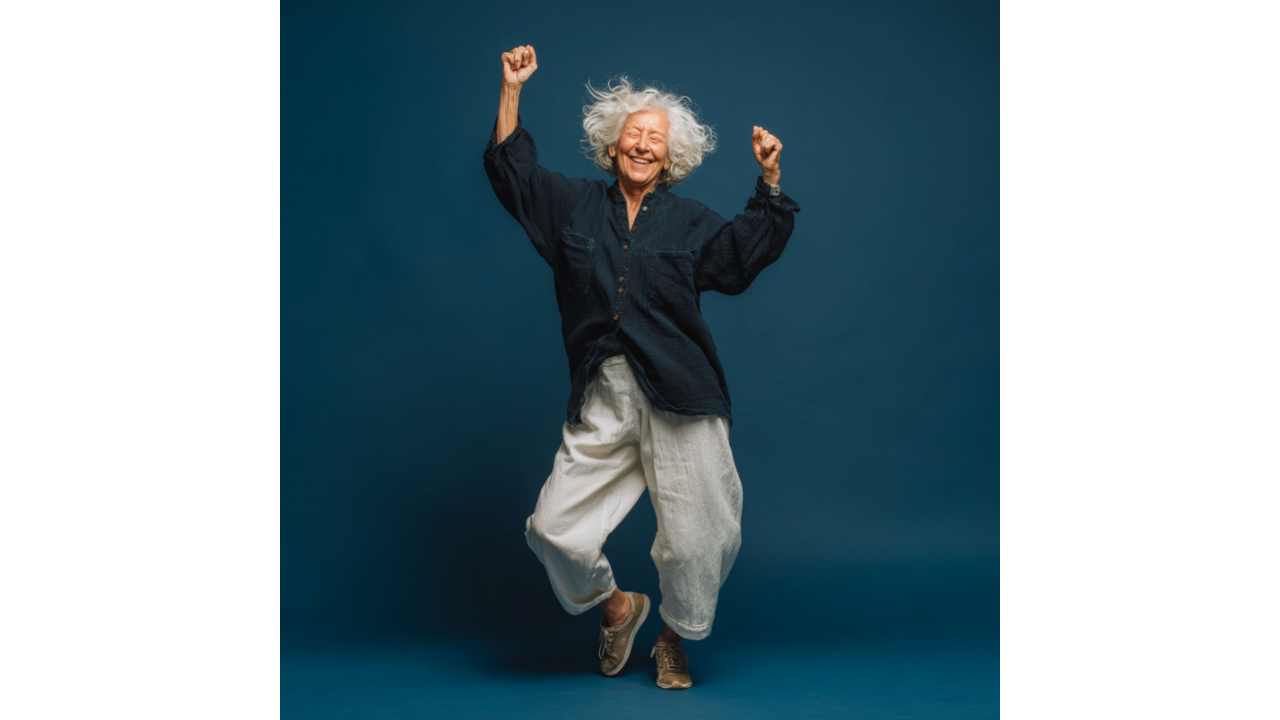
Stock photography of senior women follows exhausting patterns: yoga on the beach, laughing with salad, gentle stretching, peaceful meditation, playing with grandchildren, soft-focus contentment. These images communicate that brands view senior women as uniformly seeking tranquility rather than as diverse individuals with varying interests, activity levels, and life circumstances.
Real senior women run businesses, compete in triathlons, pursue advanced degrees, travel independently, manage complex medical conditions, advocate politically, create art, and live in ways that stock photography never captures. They're also managing chronic conditions, navigating mobility limitations, and dealing with age-related health changes—but they're doing so while remaining full humans with agency and goals, not inspirational examples of "aging gracefully."
Effective visual marketing shows senior women engaged in actual activities—working, exercising at realistic intensity levels, managing real life rather than posing pensively. Show women using your calcium supplement before their strength training session, not serenely contemplating nature. Show women researching heart health information on tablets, not passively receiving medical advice. Show women managing their own health decisions, not being cared for.
Implementation: If you're using models, hire women actually in your target age range doing things they actually do. If you're using customer testimonials, capture them in real contexts. Avoid soft-focus photography and warm-toned sunset filters that signal "aging content." Show assistive devices if relevant rather than pretending senior women don't use canes or reading glasses. The authenticity signals respect. FemTech marketing mistakes include assuming all women in a demographic category share identical lifestyles and values.
Women over 65 navigate Medicare coverage, supplemental insurance, and prescription drug plans that create specific purchasing considerations. Yet most women's health brands market products without acknowledging these financial realities, missing opportunities to position products within senior women's actual decision-making frameworks.
Medicare Part D covers prescription medications but not most supplements. Medicare Advantage plans sometimes include supplemental benefits for over-the-counter health products. Health Savings Accounts (HSAs) can pay for many health products with pre-tax dollars. Senior women actively research what their insurance covers and what requires out-of-pocket payment, yet brands rarely provide this information clearly.
Strategic product positioning acknowledges insurance realities. If your product qualifies as an HSA-eligible expense, state this clearly on your website and in marketing materials. If your prescription product is covered by Medicare Part D, provide information about coverage tiers and out-of-pocket costs. If your supplement isn't covered by insurance, position pricing within the context of comparable prescription alternatives or provide subscription discounts that make ongoing use affordable on fixed incomes.
Implementation: Create a dedicated FAQ section addressing insurance and Medicare questions. Provide letters of medical necessity that customers can submit for HSA or FSA reimbursement. Offer subscription pricing models that reduce per-unit costs for customers taking products long-term. Include cost comparison information that helps senior women evaluate your products against prescription alternatives. The transparency builds trust with consumers who are highly price-conscious but willing to pay for products that work.
Cognitive decline terrifies senior women more than almost any other age-related health change. Losing mental acuity means losing independence, identity, and the capacity to manage their own lives. Yet cognitive health marketing often increases anxiety without providing actionable solutions, focusing on Alzheimer's prevention claims that overstate current scientific evidence.
Ethical cognitive health marketing focuses on specific, evidence-supported benefits: supporting brain health through nutrition, maintaining cognitive function through mental engagement, reducing inflammation that affects brain health, supporting sleep quality that enables cognitive recovery. These claims require evidence but don't promise prevention of neurodegenerative disease that current science cannot guarantee.
The language matters enormously. "Brain support" is more accurate and less fear-inducing than "Alzheimer's prevention." "Maintaining cognitive function" acknowledges normal age-related changes without catastrophizing. "Supporting mental clarity and focus" addresses actual daily concerns without invoking disease states.
Implementation: Partner with neurologists or cognitive specialists to create educational content about realistic brain health maintenance. Explain which cognitive changes are normal aging versus which warrant medical evaluation. Position your products as supporting overall brain health rather than preventing specific diseases. Create content about cognitive engagement strategies—learning new skills, social connection, physical exercise—that complement any supplements or products you sell. Senior women appreciate brands that provide comprehensive information rather than selling fear.
Heart disease kills more women than all cancers combined, and risk increases dramatically post-menopause. Yet cardiovascular health marketing for women often focuses on general "heart-healthy lifestyle" advice rather than specific interventions, monitoring strategies, or product benefits relevant to women's cardiovascular physiology.
Women experience heart disease differently than men—different symptom presentations, different risk factors, different treatment responses. Marketing that acknowledges these differences signals genuine understanding of female cardiovascular health rather than applying male-derived guidelines to women.
Effective cardiovascular marketing addresses specific concerns: supporting healthy blood pressure in women with age-related increases, maintaining cholesterol balance post-menopause when protective estrogen declines, reducing inflammation that drives cardiovascular risk, supporting vascular health that affects both heart and cognitive function.
Implementation: Create content explaining how women's heart disease differs from men's. Develop educational resources about cardiovascular symptoms women should monitor. Position products within comprehensive cardiovascular health strategies that include exercise, nutrition, stress management, and medical monitoring. Partner with cardiologists who specialize in women's heart health. The senior women most concerned about cardiovascular health are already well-informed—your marketing should match their sophistication level.
Every health concern senior women face ultimately connects to a single overarching goal: maintaining independence and quality of life for as long as possible. They're not trying to live forever—they're trying to live well for whatever time they have. Marketing that connects health interventions to this core motivation resonates far more than marketing focused on disease prevention or longevity.
Osteoporosis matters because fractures threaten independent living. Cardiovascular health matters because heart attacks and strokes cause disability. Cognitive function matters because mental decline means losing autonomy. Joint health, muscle strength, balance, vision, hearing—every age-related health concern connects to the desire to keep doing valued activities and maintain self-sufficiency.
Frame your products and services around enablement: "supporting the bone health that lets you keep gardening," "maintaining the cardiovascular function that supports your active lifestyle," "protecting the cognitive clarity that keeps you managing your own finances." Connect health maintenance to specific life activities rather than abstract longevity.
Implementation: Survey your senior women customers about what activities they most want to maintain capacity for. Use their actual language in your marketing. Create content organized around life goals (travel, grandparenting, hobbies, work, volunteering) rather than health conditions. Position products as tools for continuing desired activities rather than managing aging. Psychology-informed marketing recognizes that humans are goal-driven and frame health behaviors around achieving what they value.
Senior women control substantial healthcare spending, make complex health decisions, and deserve marketing that treats them as the informed, capable consumers they are. They're not seeking gentle retirement—they're maintaining the health that supports their continued engagement with life.
Winsome Marketing develops senior audience strategies that respect intelligence, acknowledge real health concerns, and connect products to quality of life goals rather than age management.
We help brands create content that addresses osteoporosis, cardiovascular health, and cognitive function without fear-mongering, use age-respectful language and imagery, and incorporate Medicare considerations that acknowledge senior women's financial realities. Let's build your senior women's marketing around vitality and independence, not limitation and decline.
"When your period cramps feel like your uterus is being used as a UFC fighting ring" gets 50,000 likes. Women relate, share, tag friends. It's funny...
Female athletes don't want to "support their wellness journey." They want to PR their deadlift, qualify for nationals, or finish their first...
In the rapidly evolving field of women's health, educational marketing has emerged as a powerful tool to inform and engage customers. By leveraging...