Acoustic Branding for Autism: When Sound Logos Cause Shutdowns
You open Netflix. Ta-dum. You boot up your Xbox. Startup chime. You visit a website. Autoplay video with sudden music. You receive a notification....
6 min read
Neurodivergence Writing Team
:
Dec 29, 2025 7:00:00 AM
The camera zooms in on perfectly manicured nails tapping a glass bottle. Tap. Tap. Tap. A whispered voice describes the product's features. Rustle of fabric. Crisp unboxing sounds. Lip smacks between sentences. The microphone picks up every wet mouth sound in excruciating detail.
For ASMR enthusiasts, this is content gold—relaxing, satisfying, tingle-inducing.
For people with misophonia, this is a horror film.
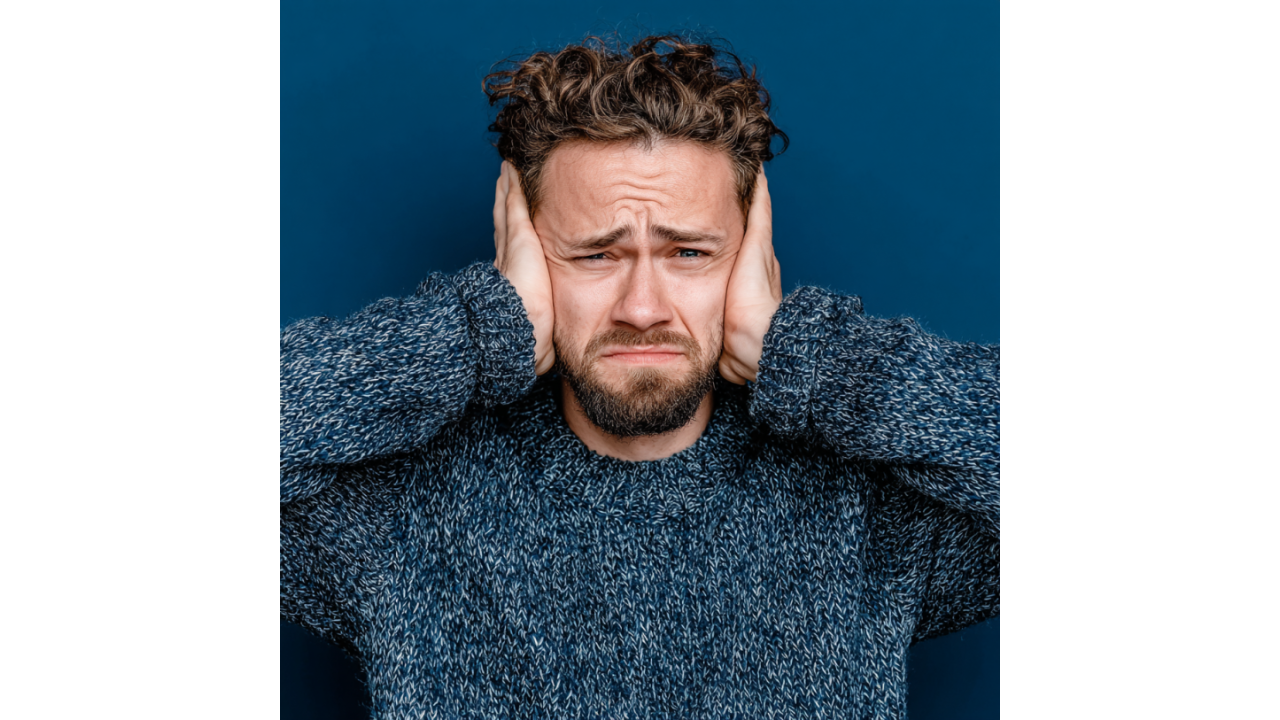
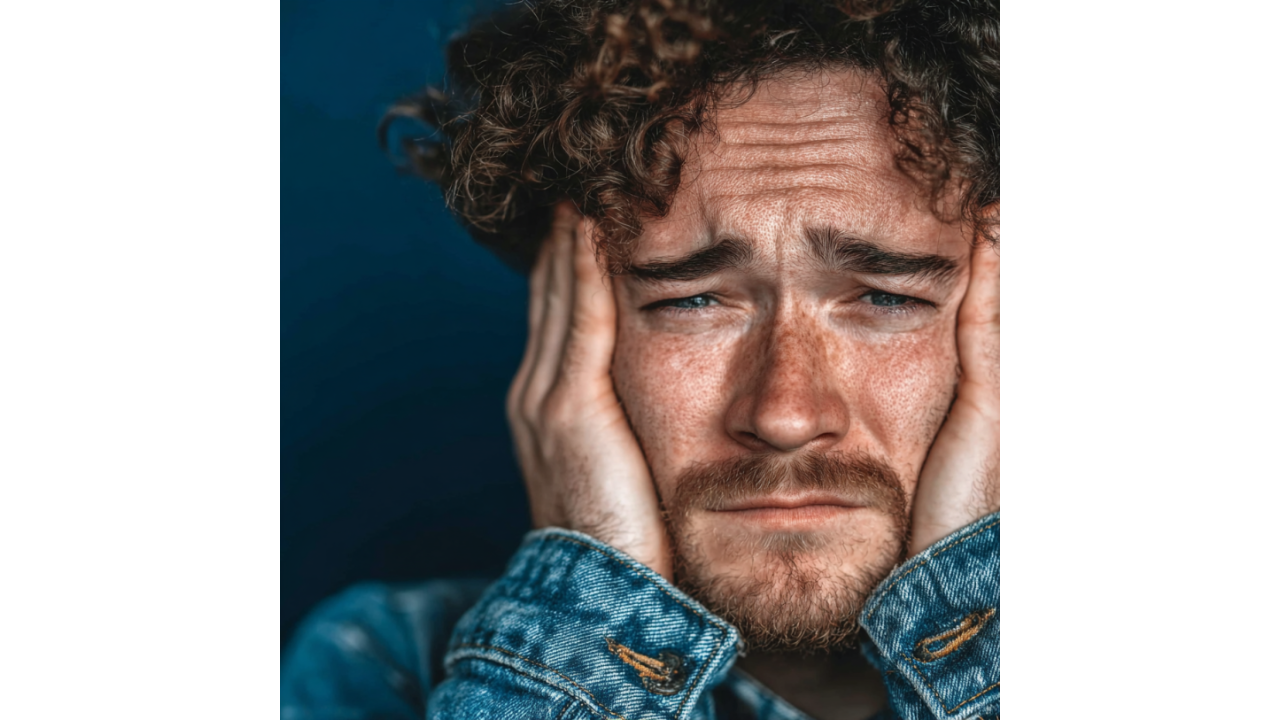
Misophonia—literally "hatred of sound"—is a condition where specific sounds trigger intense emotional and physiological responses. Not annoyance. Rage. Panic. Disgust. The sound of someone chewing doesn't just bother a misophonic person; it activates their fight-or-flight response. Their heart rate spikes. They experience genuine fury or revulsion completely disproportionate to the stimulus.
And marketing is increasingly saturated with the exact sounds that trigger misophonic responses.
ASMR marketing has exploded. Brands discovered that amplified everyday sounds create engagement for some audiences, so they've leaned in hard. Whisper videos. Tapping sounds. Eating sounds. Mouth noises. Close-mic'd everything.
What they haven't considered: for every person who finds these sounds relaxing, there's someone whose nervous system interprets them as threat stimuli.
Misophonia is significantly more common in autistic populations than neurotypical ones. Estimates vary, but studies suggest misophonia affects a substantial percentage of autistic individuals. When you create ASMR-style content, you're potentially creating anti-content for a meaningful segment of your autistic audience.
They're not choosing to hate your video. Their neurology is responding to specific sound frequencies and patterns as if they're dangerous. And now your brand is associated with that response.
ASMR (Autonomous Sensory Meridian Response) content is built on the premise that certain sounds—whispering, tapping, crinkling, brushing—produce pleasant tingling sensations and relaxation in listeners.
For people who experience ASMR, this is real and powerful. The sounds genuinely create calm, focus, and even euphoria.
The marketing industry saw this and thought: universal engagement strategy.
It's not universal. It's divisive.
The same sounds that produce pleasurable responses in ASMR-positive people produce violently negative responses in misophonic people. And unlike preferences—where someone might dislike something but tolerate it—misophonia creates involuntary physiological reactions.
A misophonic person can't just "get over" their response to trigger sounds any more than someone with arachnophobia can simply decide not to react to spiders. The response is automatic, intense, and immune to rational override.
You may not realize these frequently used sounds are very triggering to some people in your audience.
Food commercials love close-mic'd eating. The crunch of an apple. The sizzle of bacon. The satisfied "mmm" after a bite. Lip smacking. Swallowing sounds.
For ASMR fans, this is satisfying. For misophonic individuals, these are some of the most common and intense trigger sounds.
Chewing, slurping, lip smacking, throat sounds—these oral noises frequently appear at the top of misophonia trigger lists. They're also everywhere in food and beverage marketing.
That closeup shot of someone biting into a burger with amplified crunching? You just lost every misophonic viewer. The coffee commercial with exaggerated sipping sounds? Instant brand rejection.
Unboxing videos feature nails tapping on surfaces. Tech reviews include keyboard clicking sounds. Jewelry ads showcase rings tapping against tables.
Repetitive sounds—especially sharp, percussive ones—are common misophonia triggers. The pattern recognition systems that make repetitive sounds satisfying for some people make them intolerable for others.
When your product demonstration video includes 45 seconds of tapping sounds, you're creating content that misophonic viewers physically cannot finish watching.
Whisper marketing is having a moment. Breathy, intimate voiceovers. Heavy breathing in ASMR-style videos. Mouth sounds between words.
For misophonic individuals, breathing sounds and vocal fry can trigger intense disgust or rage responses. The intimacy that makes whispering effective for ASMR makes it viscerally unpleasant for misophonia.
A cosmetics brand using whispered narration isn't creating intimacy for misophonic viewers—it's creating repulsion.
Page turning. Paper crinkling. Fabric rustling. These sounds appear frequently in book marketing, fashion content, and product reveals.
While less universally triggering than eating sounds, paper and fabric noises still appear on many misophonia trigger lists. For affected individuals, the amplified sound of pages turning in a book trailer makes the book itself feel contaminated by association.
Here's what happens neurologically when a misophonic person encounters a trigger sound:
Their amygdala—the brain's threat detection center—activates immediately. Their autonomic nervous system responds as if they're in danger. Heart rate increases. Muscles tense. They experience genuine anger or disgust.
This isn't a choice. It's not controllable through willpower. It's as involuntary as flinching when something moves toward your face.
For autistic individuals, who may already be managing sensory input and emotional regulation, misophonic triggers in marketing content can cause:
They close the video/leave the website the instant the trigger sound plays. There's no pushing through. The sound is intolerable.
Your brand becomes associated with the negative emotional response. They may avoid your products entirely to avoid potential re-exposure to trigger sounds.
Once your brand has triggered them, they approach all your content with apprehension. Will this video have eating sounds? Will this ad include whispering? The uncertainty itself creates stress.
When marketing trends toward ASMR-style content broadly, misophonic consumers are excluded from entire categories of brand communication.
Here are some examples.
KFC launched an ASMR-focused marketing campaign featuring amplified sounds of fried chicken being eaten. Intense crunching. Mouth sounds. Chewing noises.
The intent: Create satisfying sensory content that makes viewers crave KFC.
The misophonia impact: Created viscerally unpleasant content that many autistic consumers found genuinely distressing. Comments sections filled with people expressing disgust and requesting the content be removed.
What they should have done: Test the campaign with diverse audiences including misophonic individuals. Offer silent/subtitled versions. Warn viewers about content type before sound plays.
High-end brands create elaborate unboxing experiences with amplified sounds: tissue paper rustling, ribbon pulling, box lid lifting, nails tapping on packaging.
The intent: Create satisfying, premium-feeling content that enhances product perception.
The misophonia impact: The repetitive tapping and paper sounds make the content unwatchable for misophonic viewers. The luxury experience excludes a segment of potential customers.
What they should have done: Create versions without amplified incidental sounds. Focus on visual luxury cues. Offer narrated versions that explain without trigger sounds.
Beauty influencers and brand content often include intense mouth sounds—lip smacking, kissy noises, vocal fry, breathy narration.
The intent: Create intimate, personal connection with viewers.
The misophonia impact: Makes tutorials completely inaccessible to misophonic individuals who might otherwise be interested in the products. They can't learn application techniques because they can't watch the videos.
What they should have done: Use clear narration without exaggerated mouth sounds. Offer text-based tutorials. Create sound-optional content.
Coffee advertisements frequently feature amplified drinking sounds—sipping, swallowing, satisfied sighs.
The intent: Convey the satisfaction and pleasure of drinking the coffee.
The misophonia impact: Drinking sounds are among the most common and intense misophonia triggers. These ads create active aversion to the brand.
What they should have done: Show satisfaction through facial expressions and body language. Use visual steam and warmth cues. Describe taste without amplifying consumption sounds.
Here are some tips.
Every video should be fully comprehensible with sound off. Captions should be complete and accurate. Visual information should convey key messages without requiring audio.
This isn't just accessibility—it's acknowledging that many viewers can't or won't use sound.
If your content includes potentially triggering sounds, warn viewers upfront. "This video includes amplified eating sounds" gives misophonic viewers the information they need to make an informed choice.
This warning doesn't reduce effectiveness for ASMR-positive viewers who actively want that content. It simply allows misophonic viewers to opt out before being triggered.
Produce two versions: one with amplified sounds for ASMR fans, one with reduced or eliminated trigger sounds for misophonic viewers.
This isn't excessive—it's recognizing that your audience has different sensory profiles.
Before launching sound-heavy campaigns, test with misophonic individuals. Their feedback will identify triggers you haven't considered.
What sounds neutral or pleasant to neurotypical ears may be intolerable to misophonic listeners.
You don't need to amplify every sound. Standard audio levels that capture voice without emphasizing mouth sounds, breathing, or incidental noises work for broader audiences.
The trend toward hyper-sensitive microphones that pick up every tiny sound actively excludes misophonic listeners.
Background music and clear narration rarely trigger misophonia. It's the amplified everyday sounds—eating, tapping, breathing—that cause problems.
You can create engaging audio content without incorporating trigger sounds.
Do:
Don't:
ASMR marketing isn't wrong. It works powerfully for people who experience ASMR. But treating it as a universal engagement strategy ignores the existence of people for whom those same sounds create opposite responses.
Your brand can create satisfying sensory content for ASMR fans without alienating misophonic consumers. Offer both. Warn appropriately. Respect that nervous systems differ.
The sound that relaxes one person enrages another. That's not preference. That's neurology.
Winsome Marketing creates content that works across sensory profiles. We understand that engagement strategies need to account for neurodiversity, not assume universal responses. Let's build marketing that includes rather than excludes.
You open Netflix. Ta-dum. You boot up your Xbox. Startup chime. You visit a website. Autoplay video with sudden music. You receive a notification....
Walk into most retail environments and you're immediately assaulted: fluorescent lights blazing overhead, music pulsing through speakers, competing...
3 min read
Brands must increasingly consider diverse communication preferences to create inclusive and effective strategies. For autistic people,...